
Few islands pack as much into so little space as Sicily. Greek temples stand above the sea, Norman cathedrals glitter with Byzantine mosaics, Baroque towns glow honey-gold at dusk, and an enormous volcano smokes quietly over the east coast. Planning holidays to Sicily can feel overwhelming at first, simply because there is so much to choose from. This guide breaks the island into manageable pieces so you can decide where to go, when to travel and how long you really need.
Why Choose Holidays to Sicily?
The appeal of holidays to Sicily lies in the variety. You can spend a morning among ancient ruins, an afternoon swimming in clear water and an evening eating fresh seafood in a bustling street market, all without changing hotels. Flights from the UK take roughly three hours, which means a long weekend is realistic, and the island rewards a full week or two even more.
Food is a huge part of the draw. Expect arancini, pasta with sardines and wild fennel, sweet ricotta cannoli and granita eaten for breakfast in summer. Each town has its own specialities, so eating your way around the island becomes a holiday theme of its own.
The Best Time for Holidays to Sicily
Timing shapes everything. Spring, from April to June, is widely considered the sweet spot, with mild sunshine, wildflowers in the hills and lighter crowds. Easter brings some of the island’s most colourful processions, while May has events such as the flower festival in Noto and the start of the Greek theatre season in Syracuse.
Summer is hot and busy, especially in July and August. It suits beach lovers and families tied to school holidays, but sightseeing can be tiring in the heat and prices climb. If you can, try to travel in June or September instead. Autumn is pleasantly warm with grape harvest celebrations, while winter is quiet and mild by northern European standards, although some restaurants and attractions keep shorter hours. Winter visitors can even reach snow on Mount Etna.
Where to Go: The Highlights
Most holidays to Sicily revolve around a handful of standout places, each with its own personality. Here are the ones that appear on almost every itinerary, along with a few tips on how to get the best from them.
Taormina and Mount Etna
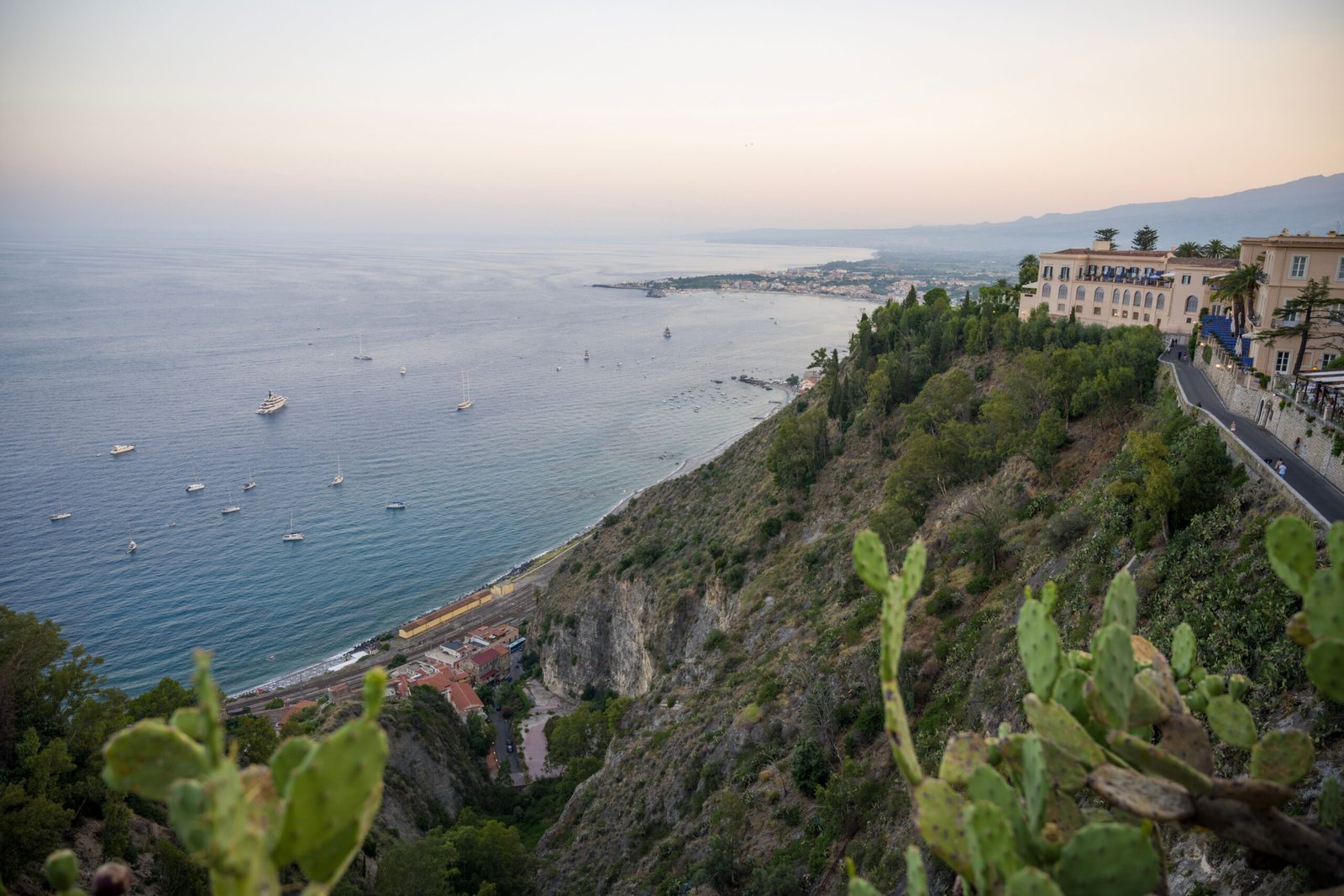
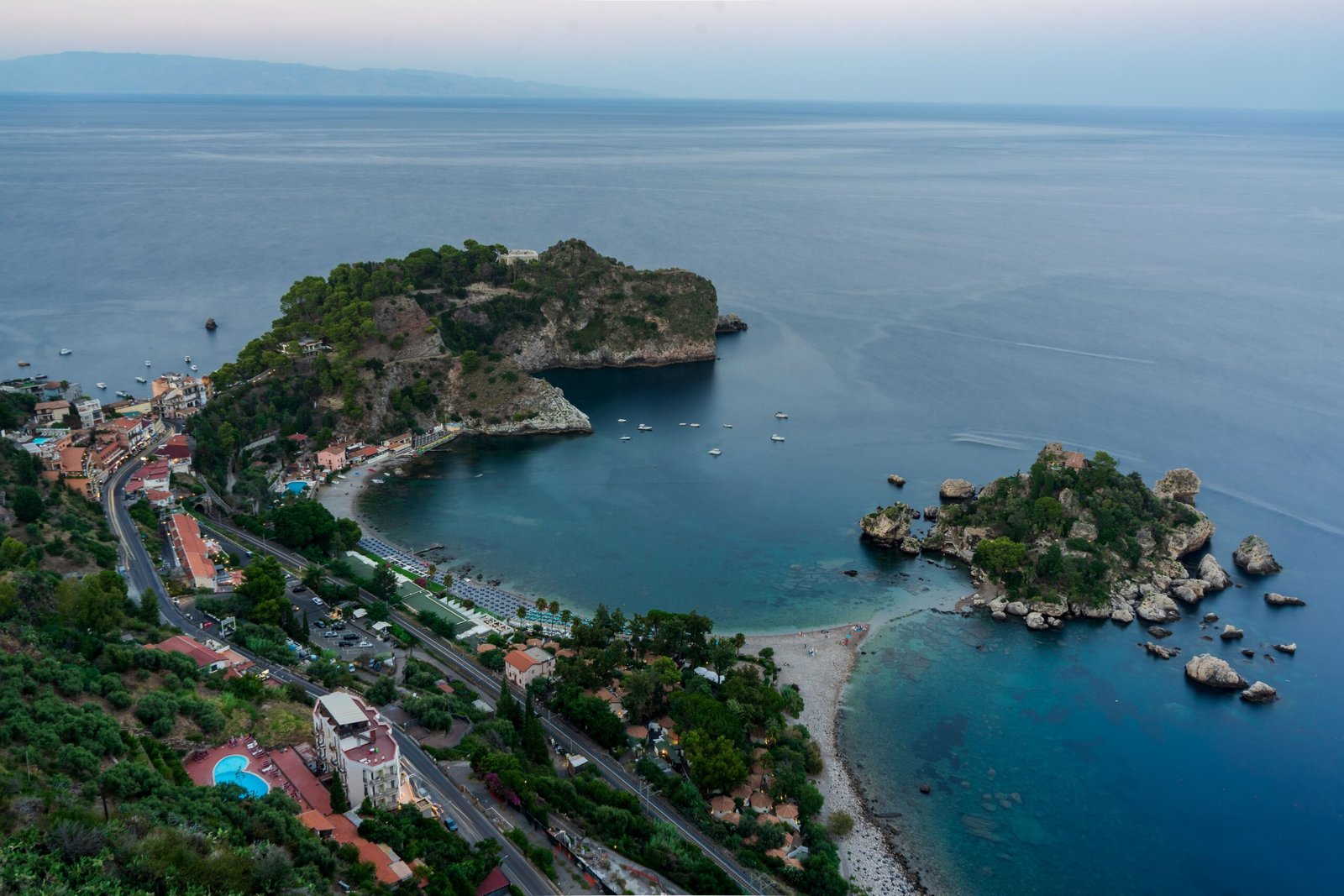
Taormina perches on a terrace above the Ionian Sea. Its ancient Greek theatre is the big draw, framing Etna behind the stage, and the pedestrian Corso Umberto is perfect for an evening stroll. Nearby, the tiny island of Isola Bella can be reached across a narrow strip of beach. Etna itself is the tallest active volcano in Europe, and the safest way to explore it is with a qualified guide, since the craters and open areas change from year to year.
Palermo
Sicily’s capital is noisy, generous and endlessly photogenic. Palermo Cathedral blends Norman, Arab, Byzantine and Gothic influences, the Quattro Canti marks a grand Baroque crossroads, and the Ballarò and Vucciria markets let you taste your way through the city. Give Palermo at least two nights so you are not rushing.
Syracuse and Ortigia
Syracuse combines a large archaeological park with Ortigia, a small island of limestone alleys linked to the mainland by bridges. The cathedral here was built around the columns of an ancient Greek temple, a neat summary of how many layers of history Sicily carries.
Agrigento and the Valley of the Temples
On the south coast, the Valley of the Temples is a UNESCO World Heritage Site with some of the best preserved Greek temples anywhere. Visit early or late in the day for softer light and fewer visitors.
Beach Escapes
If your priority is sand and swimming, look at San Vito Lo Capo in the north-west, known for its long beach and clear water. Cefalù, near Palermo, combines a town beach with a dramatic rock and a charming old centre.
How Long Do You Need?
Five days works well if you focus on one side of the island, such as Taormina, Etna and Syracuse. A week lets you attempt the classic loop of Taormina, Syracuse, Agrigento and Palermo without feeling rushed. With ten days or more you can add the Baroque towns of the south-east, and two weeks opens up options such as the Aeolian or Egadi islands. Most holidays to Sicily work best with one or two bases rather than a new hotel every night, because you spend less time packing and more time exploring. The main mistake first-time visitors make is trying to cover everything, because distances are bigger than they look on a map and mountain roads are slow.
Getting Around
Sicily has buses, trains and ferries, and these work well for travelling between the larger cities. A hire car, however, gives you the freedom to reach hill towns, vineyards, nature reserves and quieter beaches. Drive carefully in historic centres, which often have restricted traffic zones, and be prepared for narrow streets and confident local drivers. If you only plan to visit cities, you can manage without a car. If you want to explore the countryside, it is well worth hiring one, and for holidays to Sicily that include wine estates or hill villages it is close to essential.
Where to Stay
The accommodation choice is wide, from beachfront resorts and boutique hotels in historic buildings to agriturismos, which are working farms offering rooms and meals, and budget apartments. Taormina suits couples and scenery lovers, Catania puts you close to Etna and lively nightlife, Palermo is best for culture, and San Vito Lo Capo is ideal for relaxed beach days. Many travellers split a trip between two bases to keep driving time reasonable. Whatever style of holidays to Sicily you prefer, the island has a place to stay that fits both your budget and your pace.
Practical Tips for Holidays to Sicily
- Book accommodation early for July, August and Easter week, when the best places fill up.
- Carry some cash, as small cafes, markets and family-run places may not take cards.
- Expect a long lunch break in smaller towns, with many shops closing in the afternoon.
- Pack comfortable shoes, because cobbled streets and ancient sites involve plenty of walking.
- Check opening hours for museums and archaeological sites in winter, when they can change.
Final Thoughts
The best holidays to Sicily are built around a few well-chosen places rather than a race around the coast. Pick a base or two, travel in spring or autumn if you can, leave space for long lunches and wandering, and the island will reward you with history, food and scenery that stay with you long after you fly home.