
Some beaches are simply pretty. Croyde Beach is pretty and loud, in the best possible way: Atlantic rollers thump onto golden sand, surfers trudge past with boards under their arms, and families settle behind windbreaks as though nothing unusual is happening. If you are planning a trip to Devon’s Atlantic coast, this guide covers what you actually need to know before you go, from how the bay behaves and when to surf to where to park, what to do with kids and dogs, and how to fill the rest of your day.
Where Croyde Beach Is and What Makes It Special
Croyde Beach sits on the west-facing shoreline of North Devon, tucked between two headlands. Baggy Point rises to the north and Down End marks the southern edge. That natural shelter is the reason the bay feels more intimate than its famous neighbours. The sand stretches for roughly 800 metres, and the slope is shallow enough that the gap between the high and low water marks is about 500 metres. A broad belt of dunes backs the beach, and the village itself lies a few hundred metres inland, so you can walk from a pub table to the waterline in minutes.
Croyde is also the middle child of a superb trio. Saunton Sands, a long and wide beach of around six kilometres, lies roughly a kilometre to the south. Woolacombe and Putsborough sit a short distance to the north, beyond Baggy Point. If one beach is too crowded or the conditions are wrong, another good option is never far away, which makes the whole area an easy base for a week of coastal days out.
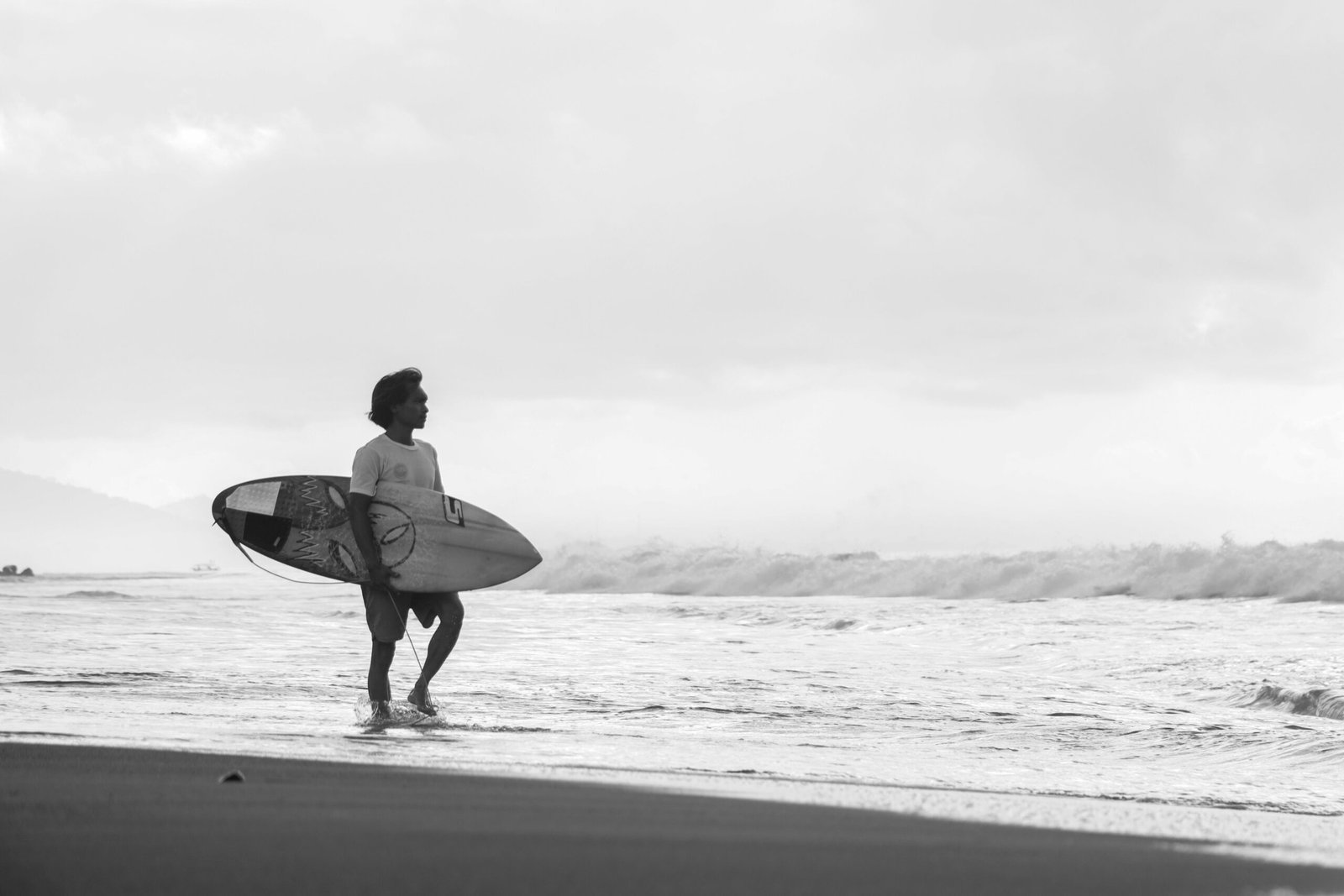
Surfing at Croyde Beach
Surfing is what put this bay on the map. It is a hollow, fast, peaky beach break, and the waves tend to pitch up and break quickly. That suits confident shortboarders, although it also means the rides are usually shorter than on the long, rolling beaches nearby. The shape is usually best around low tide and gets messier as the tide pushes in, so timing matters more here than at many other spots.
Swell from the south-west through to the north-west works best, with a westerly swell the ideal match and a light easterly wind holding the faces up. Autumn is often regarded as the prime season because the swells arrive cleaner, while summer tends to bring smaller waves and much bigger crowds. On a good day the bay delivers powerful, hollow peaks. On a bad day it is crowded, choppy and unforgiving.
A few honest cautions are worth knowing before you paddle out:
- There are rocks at both the northern and southern ends of the bay, so know where they are before you go.
- Rip currents strengthen as the swell grows, and the paddle out can be heavy on bigger days.
- The line-up can get properly busy, particularly in school holidays, so respect local surfers and the usual etiquette.
- After heavy rain, it is sensible to check current water quality information before getting in.
- Always check a surf forecast and the tide times on the morning you plan to go, because conditions change quickly.
Beginners can have fun here when the waves are small, but the bay is better suited to intermediate and advanced surfers. If you are learning, Woolacombe and Putsborough are usually kinder, and the area has plenty of surf schools. Wetsuits, surfboards and bodyboards can all be hired at the beach, so you do not need to bring your own kit.
Is Croyde Beach Safe for Swimming and Paddling?
For most families the answer is yes, with the usual sensible rules. During the summer season the beach has RNLI lifeguard cover, and swimming between the flags is the safest choice. The gentle slope and wide stretch of sand make the shallows good for paddling, and younger children enjoy digging, building and exploring at the water’s edge.
Remember that the same waves that attract surfers can knock small children off their feet, and the tide moves a long way across such a shallow beach. Keep an eye on the flags, ask the lifeguards if you are unsure, and stay away from the rocky ends of the bay when the swell is up. If you are there outside lifeguard season, treat the sea with extra respect.
Parking and Facilities at Croyde Beach
Parking is the practical question that catches most visitors out, so plan it before you set off. The main village car park (postcode EX33 1LX) is the convenient choice for a beach day and for exploring Croyde on foot. The National Trust car park at Baggy Point (EX33 1FF) works well if you want direct access to the South West Coast Path, and parking there is free for National Trust members. During the busiest summer weeks several surrounding fields open up for overflow parking, and these are clearly signposted.
Arrive early in July and August, because the spaces near the sand fill up quickly. Toilets are available at Downend car park, and the village has surf shops, gift shops, cafes, pubs (some with play areas) and a post office, so you can easily sort out food and equipment without leaving the area.
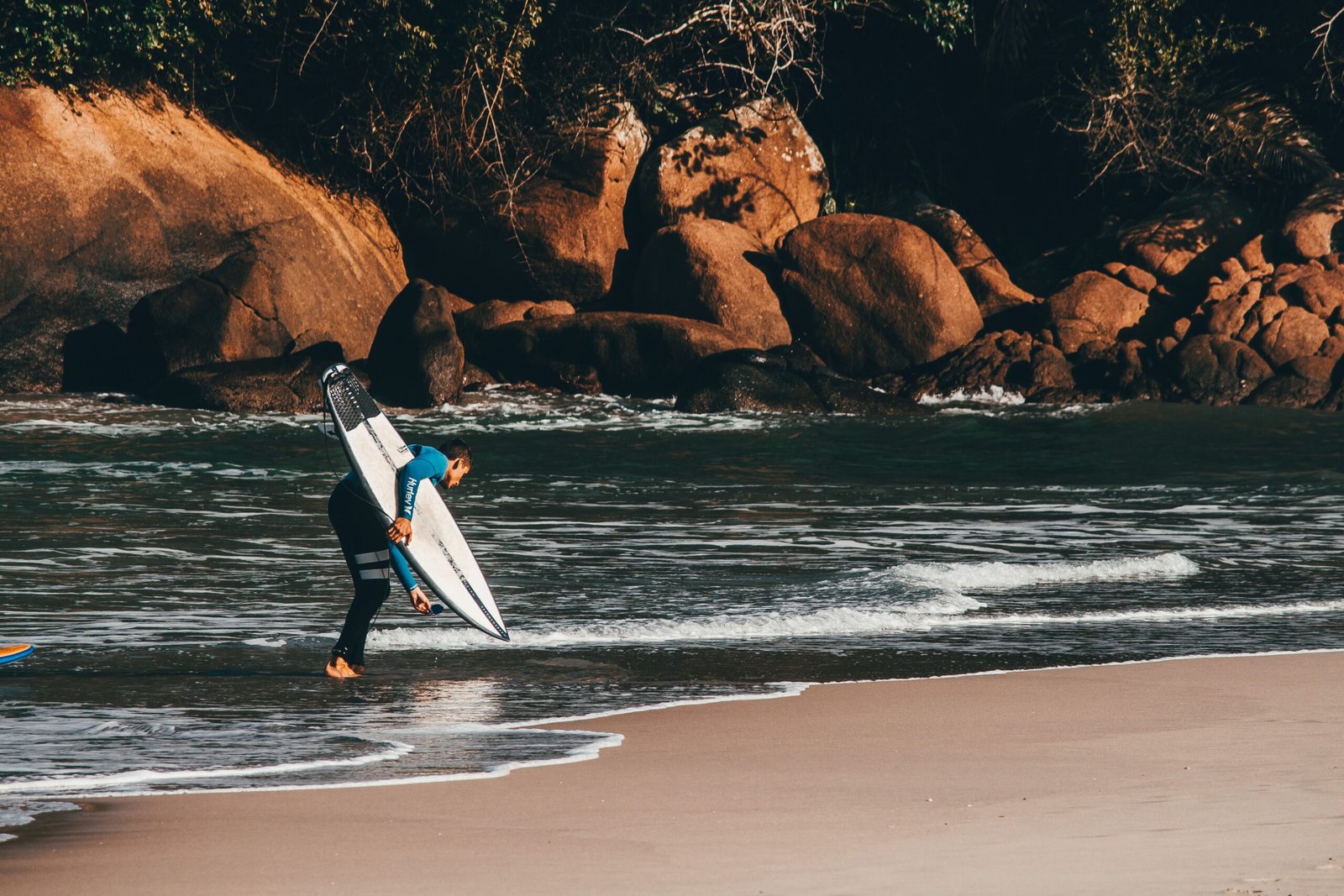
Dogs on the Beach
Dog access on the bay is restricted during the main summer season, so check the signs on arrival and the latest information from the local council before you bring a four-legged friend. Outside those restricted months the wide sand is a wonderful place for a long run. If you visit in peak season with a dog, the coast path around Baggy Point and the quieter stretches of nearby coast give you plenty of alternatives.
Things to Do Around Croyde Beach
The sand is only part of the appeal. Here are the best ways to round out a day.
- Walk Baggy Point. This National Trust headland gives you dramatic sea views, open clifftop paths and a circular walk linking the coast with Woolacombe Warren. The area is also a Site of Special Scientific Interest, so keep an eye out for wildlife. You can find details on the National Trust Baggy Point page.
- Go rock pooling. At low tide the rocky edges of the bay reveal small pools that keep children busy for an hour or more.
- Stroll across Saunton Sands. A walk of a couple of miles across the beach to Crow Point, returning through the nature reserve, is a rewarding way to see the wider landscape.
- Visit the Museum of British Surfing. Located in nearby Braunton, it traces the history of the sport with vintage boards and wetsuits.
- Eat and drink in the village. Thatched inns, cafes and tea shops make it easy to turn a beach visit into a full day out.

Where to Stay Near the Beach
Where you sleep makes a real difference to your trip. Cottages in the village centre put you close to pubs and shops, while properties nearer the bay make surf sessions and family beach days simpler. If parking, board storage, a garden or walking distance to the sand matters to you, check the exact location before booking rather than relying on the village name alone. Staying in a small village like this also means you can reach Saunton, Woolacombe, Braunton and Ilfracombe easily, which adds variety if the weather turns.
The Best Time to Visit
Summer brings warm days, lifeguards and a lively atmosphere, but also the biggest crowds and the tightest parking. Late spring and early autumn are a sweet spot, with easier car parks and, in autumn, some of the best surf of the year. Winter is for wrapped-up walks, big swells and empty sand. Whatever the season, Croyde Beach rewards visitors who check the tides, pack for changeable weather and arrive with a bit of flexibility in their plans.
Quick Answers About Croyde Beach
Is it good for beginners? Only when the waves are small. Nearby Woolacombe is usually better for learning.
Can you rent equipment? Yes, wetsuits, surfboards and bodyboards are available to hire at the beach.
Is it good for families? Yes, thanks to the shallow slope, lifeguards in summer, rock pools and plenty of nearby places to eat.
With golden sand, reliable surf and the coast path on its doorstep, Croyde Beach is one of the most rewarding stops on the North Devon coast, and it is worth planning your visit around the tide rather than the clock.