
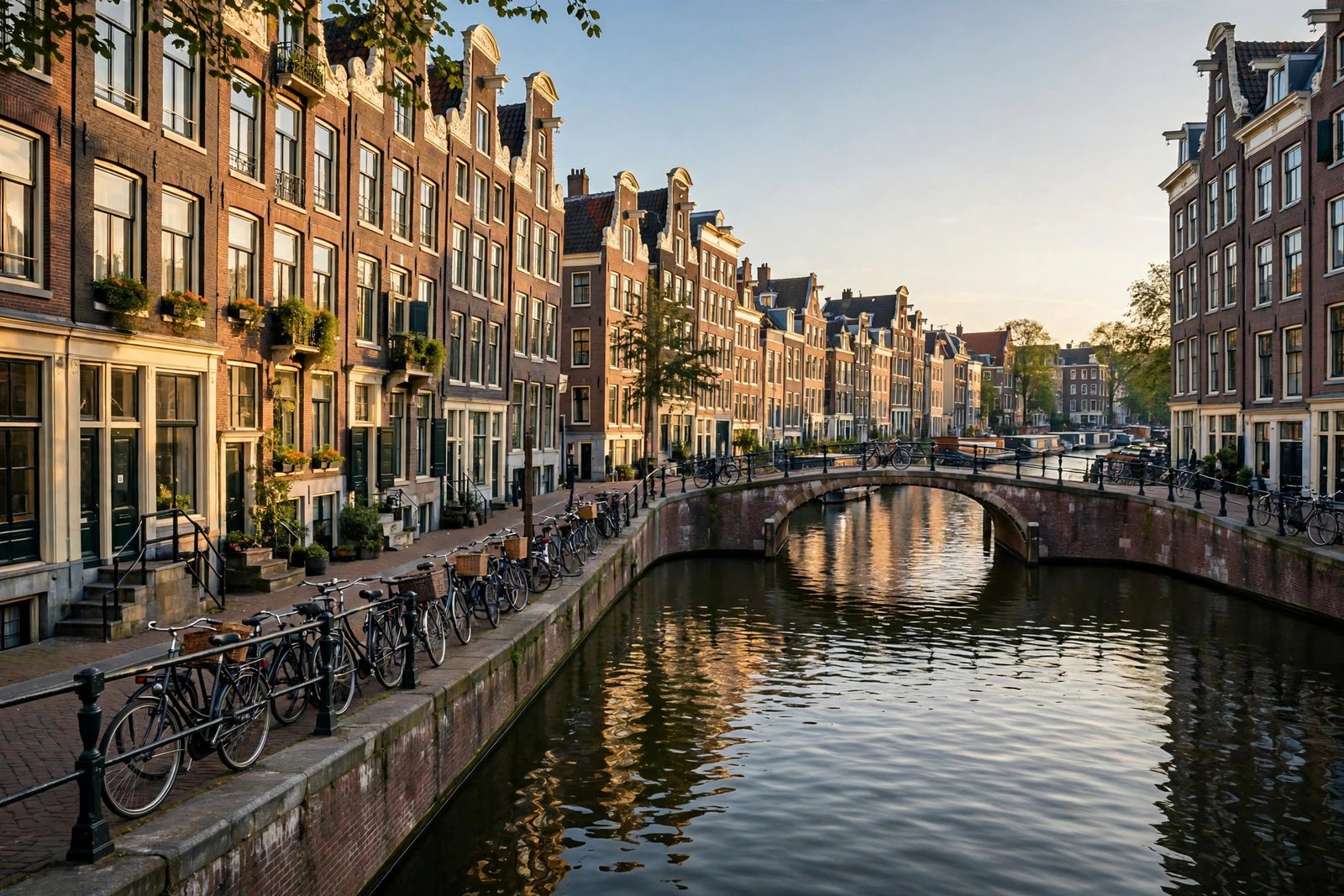
Amsterdam is one of those cities that rewards you the moment you arrive. The canals, the tall narrow houses, the bicycles everywhere and the easy, walkable centre make it an ideal choice for a first European city break, a long weekend with friends, or a slower week-long stay. Whether you are planning one of your first trips to Amsterdam or returning to see more of the city, a little planning goes a long way, because the most popular sights fill up quickly and the best experiences are often the ones you stumble across between them.
This guide covers everything you need to plan well: when to go, where to stay, how to get around, the sights worth your time, day trips, food, and the practical details that make a trip run smoothly. It is written for travellers coming from the UK, but the advice works wherever you are travelling from.
When Is the Best Time to Visit Amsterdam?
There is no single best time for trips to Amsterdam, because each season changes the character of the city. Spring, from April to May, is the most famous season, when tulips bloom across the Netherlands and the parks fill with colour. It is also one of the busiest times, so accommodation and popular attractions should be booked well in advance. Summer brings long daylight hours, warm evenings beside the canals, and outdoor festivals, but it also brings the largest crowds and the highest demand for rooms.
Autumn is a favourite for many repeat visitors. The trees along the canals turn gold, the light is beautiful for photography, and the city feels calmer after the summer peak. Winter has its own charm too, with festive lights, cosy brown cafes, and far fewer visitors at major sights. If you are choosing between seasons, think about what matters most to you: flowers and buzz, or quiet streets and easier bookings. Either way, Amsterdam is a year-round city, and rain is possible in any month, so pack a waterproof layer whatever the forecast says.
How Long Should You Stay?
Three to four days is a good length for a first visit. That gives you time to explore the canal belt, visit one or two major museums, take a canal cruise, and still leave unplanned hours for wandering, which is where Amsterdam is at its best. A weekend trip of two days can work if you focus on one neighbourhood and a short list of sights, but it will feel rushed if you try to cover everything.
If you have five days or more, you can slow down properly: add a day trip or two, explore neighbourhoods beyond the centre, and revisit favourite streets at different times of day. When you are deciding how long to stay, our Malta travel guide is a useful comparison for pacing a Mediterranean island break, while Amsterdam itself rewards a slower rhythm, with time built in for cafes, markets, and canal-side walks rather than a checklist of attractions. If you are planning another European break after this one, our guide to holidays in Sicily covers the best time to go and the places to prioritise there.
Getting Around Amsterdam
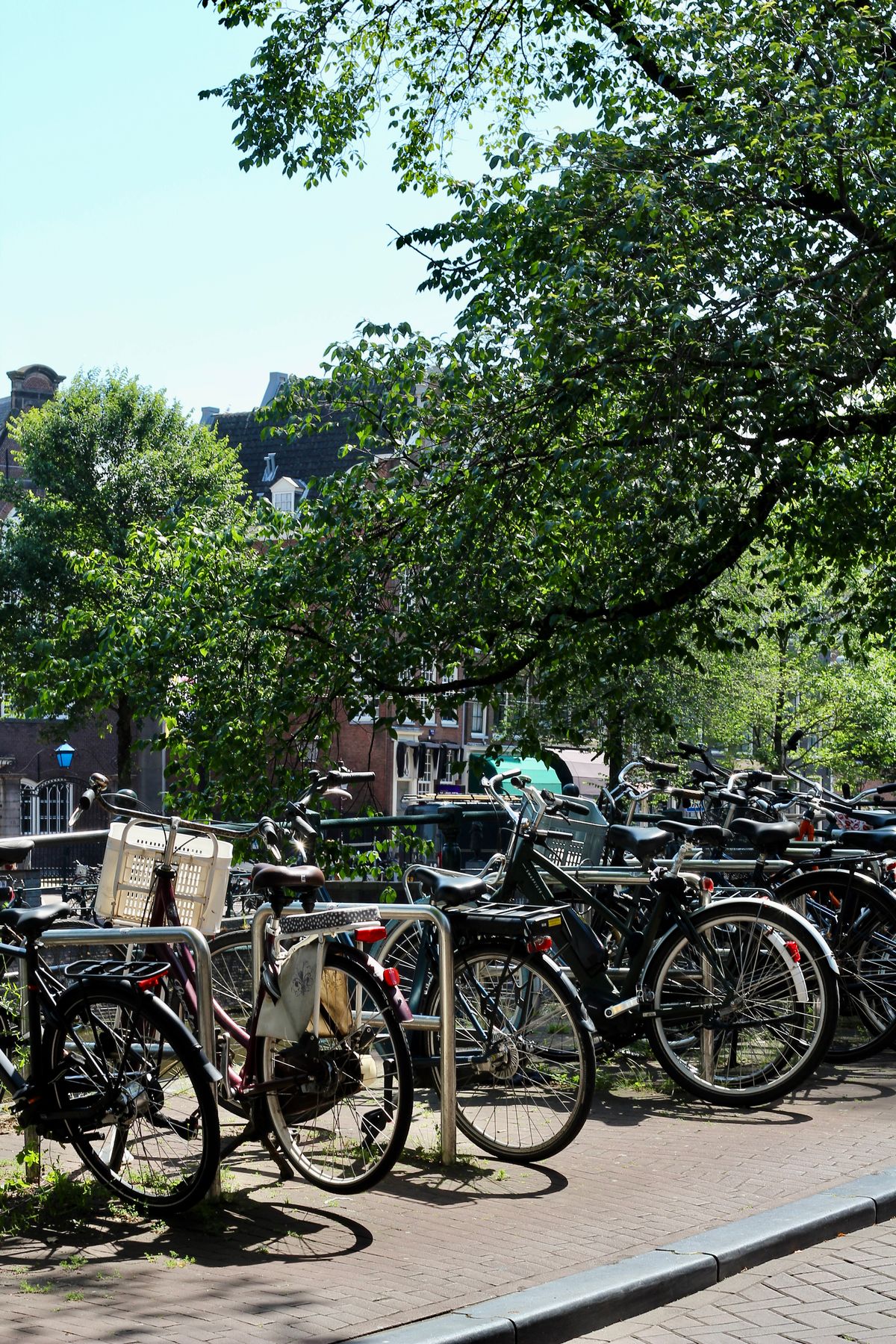
Amsterdam is compact, flat, and made for walking and cycling. Most of the central sights are within walking distance of each other, and walking is often the fastest way to get around the canal belt. Cycling is the local way to travel, and renting a bike is a great experience if you are a confident rider, but the bike lanes are busy and the rules are strict, so only cycle if you are comfortable in traffic and always lock your bike properly.
Public transport is simple and reliable. Trams cover the centre well, and buses and the metro reach the outer districts. A travel card or contactless payment makes hopping on and off easy, and the main station, Amsterdam Centraal, connects the city with the airport, other Dutch cities, and international trains. For most visitors, a mix of walking, trams, and one bike ride is the perfect balance.
Where to Stay in Amsterdam
Choosing where to stay shapes your trip more than almost any other decision. The Canal Belt, with its elegant streets and water views, is the classic choice for a first visit and puts you close to the major sights, though it is also the busiest and most in-demand area. The Jordaan, just west of the centre, is quieter and full of independent shops, cafes, and small galleries, and it suits travellers who want a neighbourhood feel.
De Pijp, south of the centre, is lively and multicultural, with a famous street market and plenty of places to eat, while Amsterdam Noord, across the water from Centraal station, is more modern and creative, with striking architecture and a free ferry crossing. When comparing places to stay, weigh location against noise and cost factors: a central room saves transport time, while a slightly further-out stay may offer more space and a calmer night. Whatever you choose, book early for spring and summer weekends.
The Sights You Should Not Miss
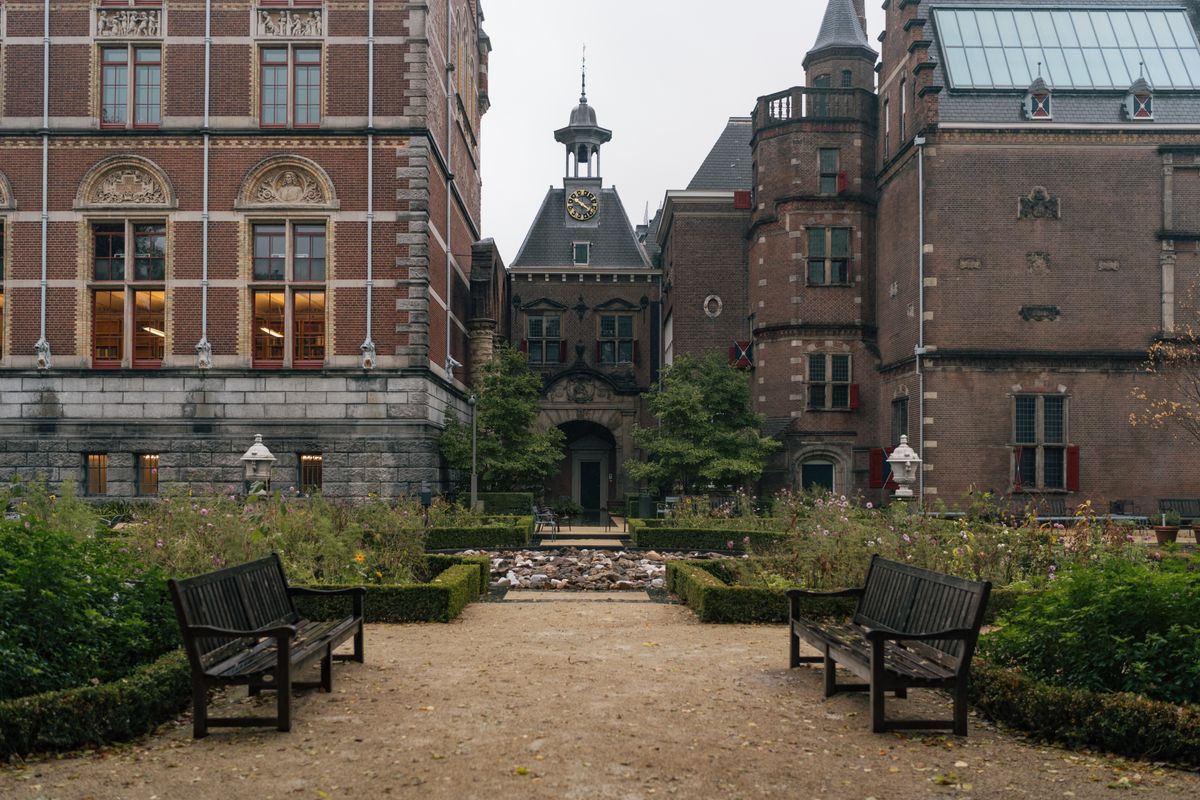
Amsterdam’s headline sights are popular for good reason. The Rijksmuseum holds the great works of the Dutch Golden Age, and its gardens are a lovely place to rest between galleries. The Van Gogh Museum tells the story of the artist’s life through his paintings, letters, and drawings, and it is best visited with a timed ticket booked in advance. The Anne Frank House is a powerful and moving experience, and tickets are released in advance and sell out quickly, so plan ahead if it is on your list.
Beyond the big three, the city is full of smaller pleasures. Take a canal cruise to see the gabled houses and houseboats from the water, and you will understand why the canals are the heart of the city. Wander the Nine Streets for independent shopping, browse the flower market, and spend time in Vondelpark, the city’s largest park. The Royal Palace on Dam Square, the Begijnhof, a hidden medieval courtyard, and the many small house museums each show a different side of Amsterdam’s history. Do not try to see everything; pick the sights that genuinely excite you and leave room for discovery.
Food and Drink in Amsterdam
Amsterdam’s food scene is far broader than many visitors expect. Traditional Dutch treats are a good starting point: try stroopwafels warm from a market stall, thick Dutch pancakes, raw herring from a fish stand if you are feeling brave, and fries with a range of sauces. The city’s brown cafes, old-fashioned pubs with dark wood and candlelight, are perfect for a quiet drink and a plate of bitterballen, small savoury snacks served with mustard.
Beyond Dutch classics, Amsterdam is one of Europe’s most international food cities, with excellent Indonesian, Surinamese, Turkish, and Middle Eastern restaurants, reflecting the city’s history and diversity. De Pijp’s market and the Foodhallen, an indoor food market, are great for sampling a bit of everything in one visit. Costs vary widely depending on where and what you eat: a market lunch and a sit-down dinner in the canal belt are very different experiences, so mixing casual and special meals is the easiest way to enjoy the food scene while keeping overall spending in line with your own budget.
Day Trips From Amsterdam
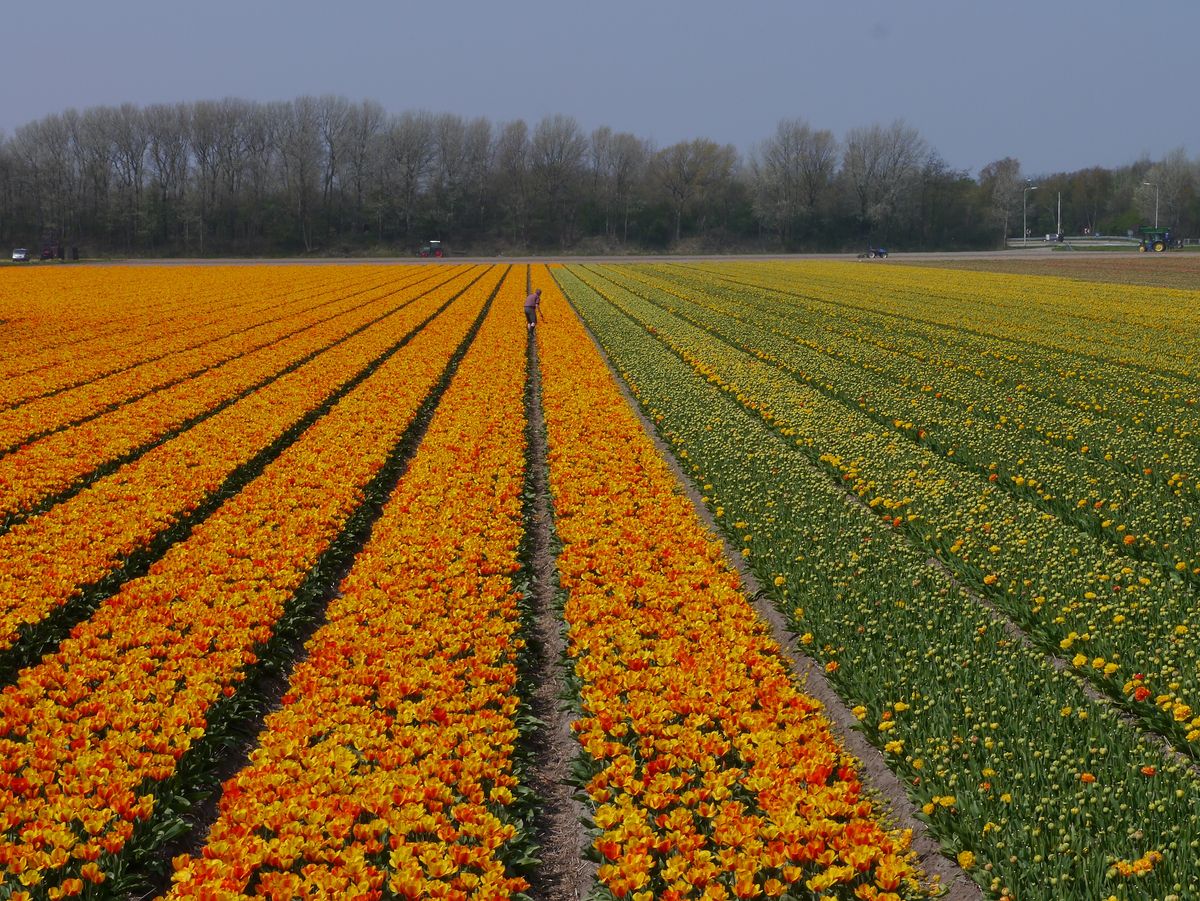
One of the joys of trips to Amsterdam is how easy it is to explore beyond the city. In spring, the flower-growing region around Lisse, home to the famous Keukenhof gardens, is a spectacular day out, with fields of tulips in every colour. The historic town of Haarlem, a short train ride away, offers a beautiful old centre, museums, and a calmer pace, while Utrecht, with its canals at street level and lively student atmosphere, is another easy choice.
For something different, head to the fishing villages of Volendam and Marken, or the windmills at Zaanse Schans, where you can see traditional crafts and open countryside within an hour of the city. The Hague and Delft are also reachable by train and make a rewarding longer day out. Day trips work best when you pick one destination and give it a full day, rather than rushing between several towns.
Practical Tips for Trips to Amsterdam
A few practical habits make a big difference. Book timed tickets for major museums and attractions as soon as your dates are set, because the most popular ones sell out, especially in spring and summer. Carry a card for most payments, as many places prefer card over cash, and keep your belongings close in crowded areas and on busy trams, just as you would in any major city.
Respect the bike lanes: they are for cyclists, not pedestrians, and stepping into one without looking is the most common visitor mistake. Learn a few Dutch words, such as thank you and hello, which are always appreciated, though English is widely spoken. Finally, check the weather before you pack, bring comfortable walking shoes, and remember that Amsterdam’s charm is in its details, so slow down, look up at the gables, and enjoy the city at walking pace.
Frequently Asked Questions
Is Amsterdam good for a first European city break?
Yes. It is compact, walkable, English is widely spoken, and it combines world-class museums with canals, parks, and neighbourhoods that are enjoyable simply to wander through.
Do I need to book museums in advance?
For the most popular museums, yes. Timed tickets booked in advance save long queues and, in peak season, are often the only way to get in on your preferred day.
Is Amsterdam expensive?
It depends on your choices. Overall spending is shaped by the season, the area you stay in, how you travel around, and whether you favour market lunches or sit-down dinners, so it can suit a range of budgets with careful planning.
Can I see Amsterdam in two days?
You can enjoy a good taste of it, including a canal cruise and one major museum, but three to four days gives a much more relaxed and complete experience.
Conclusion
Trips to Amsterdam work so well because the city offers so much in a small, beautiful package: great art, historic canals, lively neighbourhoods, excellent food, and easy day trips. Plan the essentials in advance, book the sights that matter most to you, and then leave generous gaps in your days for wandering, because those unplanned hours along the canals are often the moments you remember longest. However long you stay, Amsterdam has a way of making you plan your return before you have even left.