
Anyone typing “malta what to do and see” into a search bar is usually looking for the same thing: a realistic plan for a tiny island group that somehow holds prehistoric temples, a fortified capital, hidden sea caves and some of the clearest swimming water in the Mediterranean. The good news is that the islands are compact and easy to navigate. The challenge is deciding what to prioritise, so this guide walks through the highlights, suggests how long to stay and shares practical tips for getting around.
Malta What to Do and See: The Short Version
The Maltese archipelago sits roughly 50 miles south of Sicily, and its total area is only about 316 square kilometres. That is small enough to see a great deal in a week, yet varied enough to fill several trips. The main island, Malta, has the capital Valletta, the old city of Mdina and most of the beaches. Gozo is greener and slower paced, and tiny, car-free Comino sits between the two with its famous lagoon.
Valletta: A Capital Made for Wandering
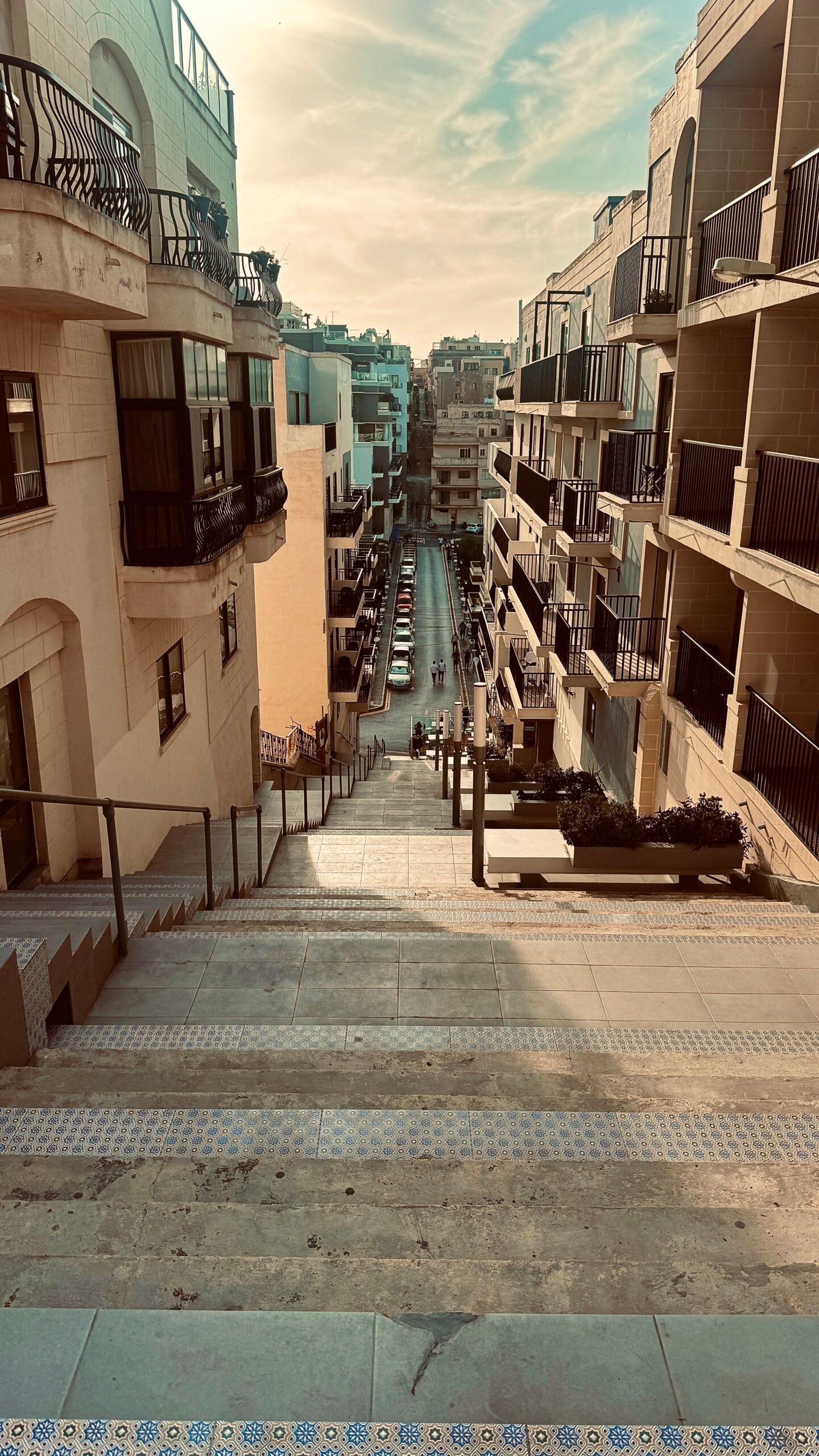
Any honest answer to malta what to do and see starts with Valletta. The city was built by the Knights of St John and is packed with baroque churches, palaces and bastions, all in warm honey-coloured stone. Dusk is the best time to stroll, when the domes and old walls glow gold. Inside St John’s Co-Cathedral you can see Caravaggio’s dramatic painting of the beheading of St John the Baptist, one of the most famous artworks in the Mediterranean.
Republic Street and Merchant Street are the main routes for shopping and eating, and the streets are steep, so wear comfortable shoes. Stop for pastizzi, flaky pastries filled with ricotta or peas, and finish with cake and views at the Fontanella Tea Garden on the bastions. If you enjoy museums, the National Museum of Archaeology is a good introduction to the islands’ prehistoric past.
Mdina and Rabat: The Silent City
Ask almost any local about malta what to do and see and Mdina will be near the top of the list. This walled former capital sits on a hill in the middle of the island and is known as the Silent City because of its quiet lanes and limited traffic. Wander between stately palaces, visit the cathedral and Palazzo Falson, and enjoy the views across the island from Bastion Square. Neighbouring Rabat adds catacombs, cafes and a more everyday local atmosphere.
Prehistoric Malta: Older Than the Pyramids
Among malta what to do and see, the prehistoric sites are the most surprising. The Ħal Saflieni Hypogeum in Paola is an underground complex of carved chambers and passages dating back thousands of years, and it is a UNESCO World Heritage Site. Visitor numbers are tightly limited, so book well ahead. The temple complexes on Malta and Gozo are among the oldest free-standing monuments in the world, and they put the island’s history into a longer perspective than most people expect.
Comino and the Blue Lagoon
No list of malta what to do and see is complete without the Blue Lagoon on Comino. The island has no paved roads and almost no traffic, and boats run across from Malta’s northern tip. The lagoon’s pale sand and turquoise water are spectacular but very busy in summer, so arrive early or late in the day if you can. Nearby, the Crystal Lagoon is a quieter choice for snorkelling, and the walk to St Mary’s Tower rewards you with wide sea views.
Gozo: Slower, Greener, Quieter
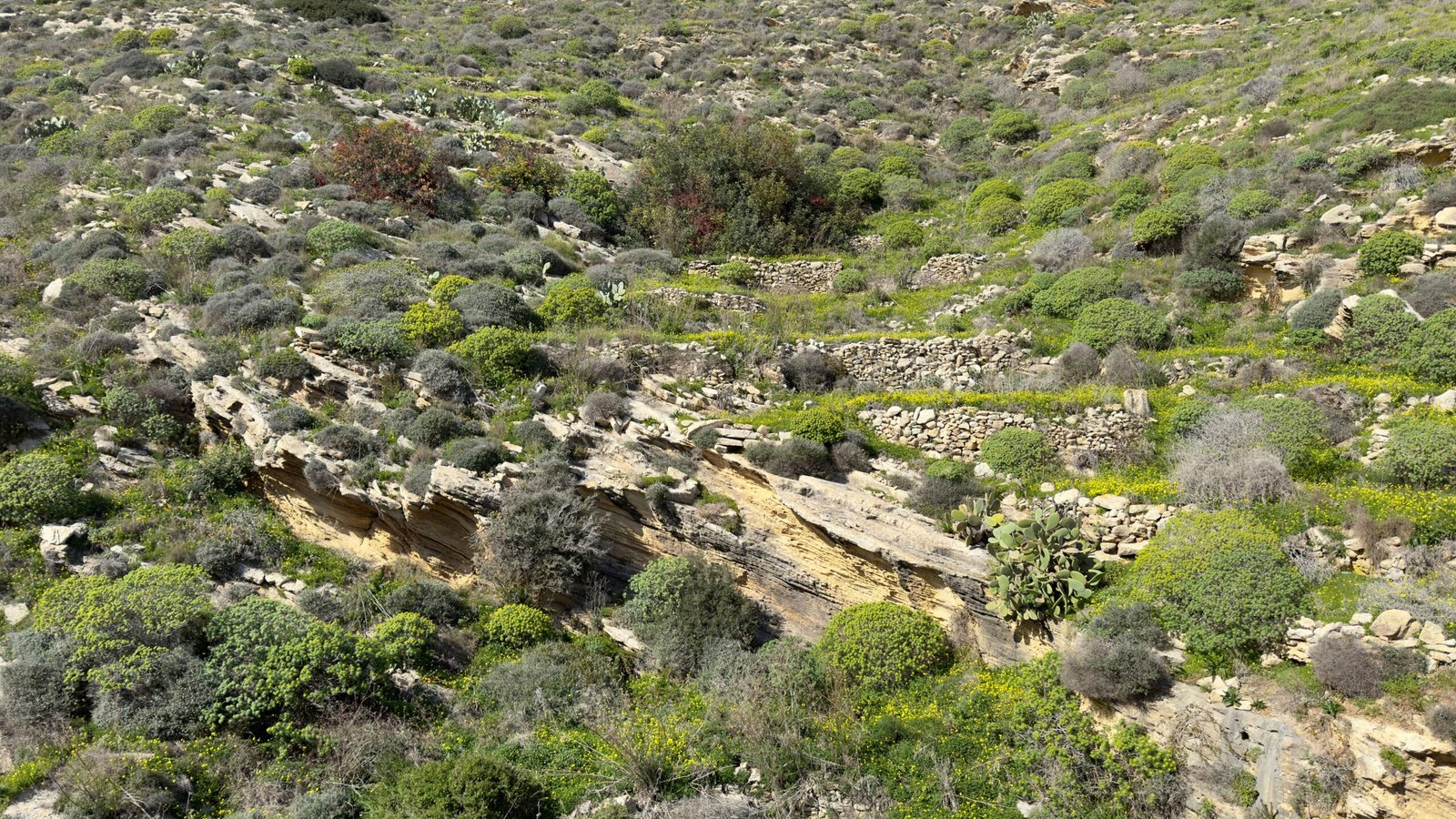
Gozo deserves a place in any plan for malta what to do and see, particularly if you want a break from the busier resorts. The island has rolling hills, small villages, the Cittadella fortress and the Ġgantija temples, which are also UNESCO listed. Calypso’s Cave overlooks Ramla Bay, which has reddish sand and is usually quieter than the main island’s beaches, and Dwejra Bay offers dramatic scenery. Gozo is also popular with divers, with dozens of dive sites around its coast.
Beaches, Caves and Coastal Scenery
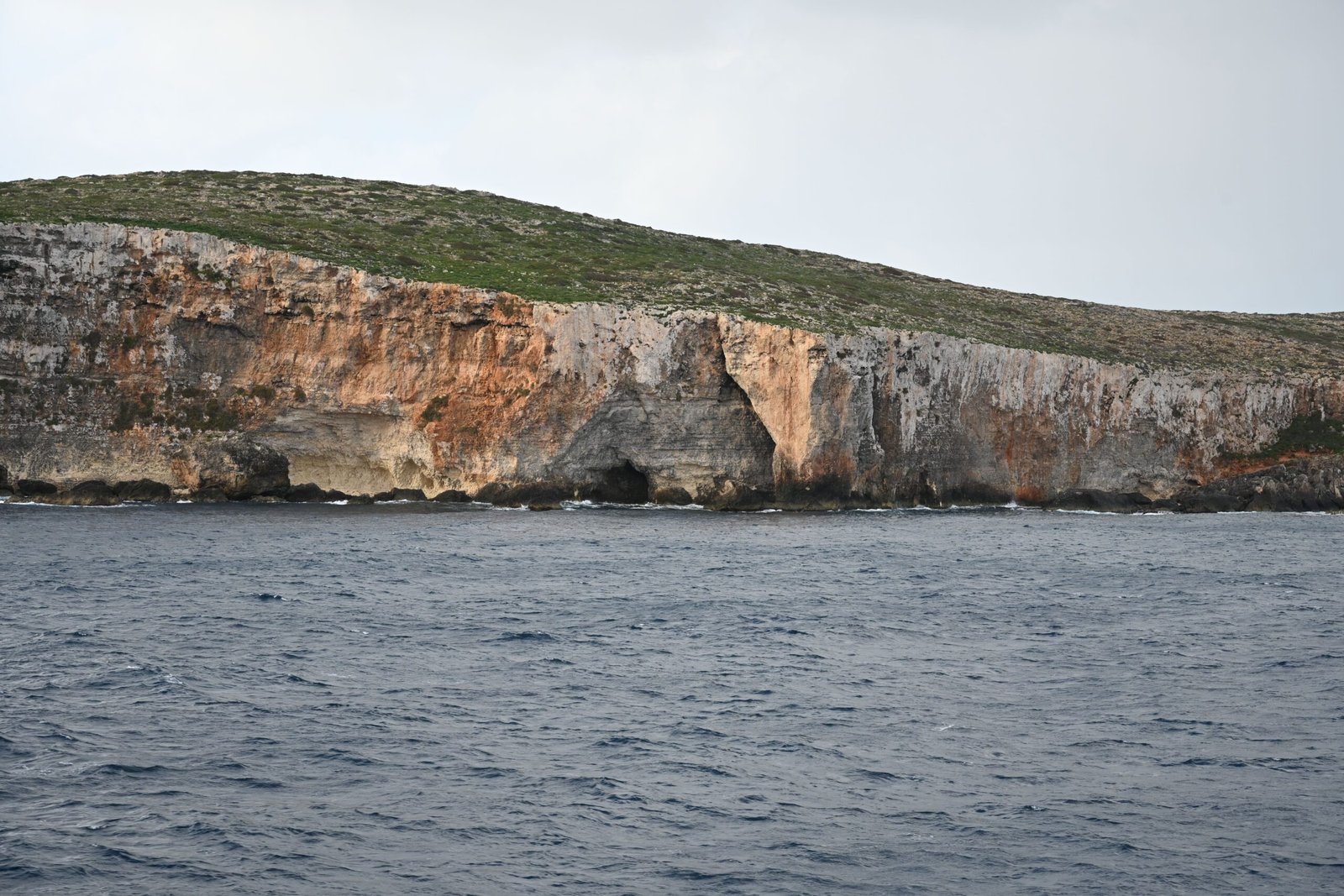
Malta is better known for rocky coves than long sandy beaches, but there are some lovely sandy stretches. Golden Bay, Għajn Tuffieħa and Mellieħa Bay on the north-west side of the main island are the best known, and Mellieħa is the largest. Sliema has rock platforms and bathing spots rather than sand. On the south coast, the Blue Grotto near Żurrieq is a cluster of sea caves that glow electric blue in morning light, and small traditional boats take visitors inside. The Dingli Cliffs, rising around 250 metres above the sea, are perfect for a sunset walk.
Fishing village Marsaxlokk is another favourite. The harbour is filled with brightly painted boats, and the Sunday fish market is the best time to visit if you enjoy fresh seafood.
How Long Should You Stay?
For malta what to do and see in one week, a good balance is two days in Valletta and the nearby Three Cities, a day in Mdina and Rabat, a day in Gozo, a day on Comino or at the coast, and time to relax on a beach. Shorter trips of three or four days work if you focus on Valletta, Mdina and one boat trip. With ten days or more you can slow down, hike the coast, add festivals and explore quieter villages.
Getting Around
Sorting out transport makes malta what to do and see far easier. Buses cover most of the main island cheaply, although timetables can be slow at busy times, and taxis and ride-hailing apps fill the gaps. Ferries link Malta with Gozo, and boats to Comino run from the northern tip. Renting a car gives you flexibility for the countryside, but remember that traffic drives on the left and parking can be limited in towns. Many visitors combine buses with occasional taxis.
Best Time to Visit
Summer is hot and ideal for swimming, but it is also the busiest period. Spring and autumn give warm sunshine, easier sightseeing and calmer beaches, and winter is mild and quiet, with a good mix of sunny days and showers. Local village festas, with fireworks, processions and brass bands, happen throughout the summer and add a lively cultural layer.
Final Thoughts
In short, malta what to do and see comes down to a mix of history, sea and small-island charm. Pick your bases carefully, book timed attractions such as the Hypogeum early, travel outside peak summer if you can and leave time to simply wander. Malta rewards curiosity, and a week here often leaves visitors planning their return.